
Remote Access to Health Coverage: Navigating the Latest Trends
In today's fast-paced digital world, remote access to health coverage is becoming increasingly important. As technology evolves, it is reshaping how we approach healthcare, making it more accessible and convenient. This shift is not just a trend but a necessity for many, especially those in remote locations or with limited mobility.
One of the most significant recent developments is the rise of telemedicine. This technology allows patients to consult healthcare professionals from the comfort of their homes. It eliminates the need for travel and long waiting times, providing quick access to medical advice and treatment.
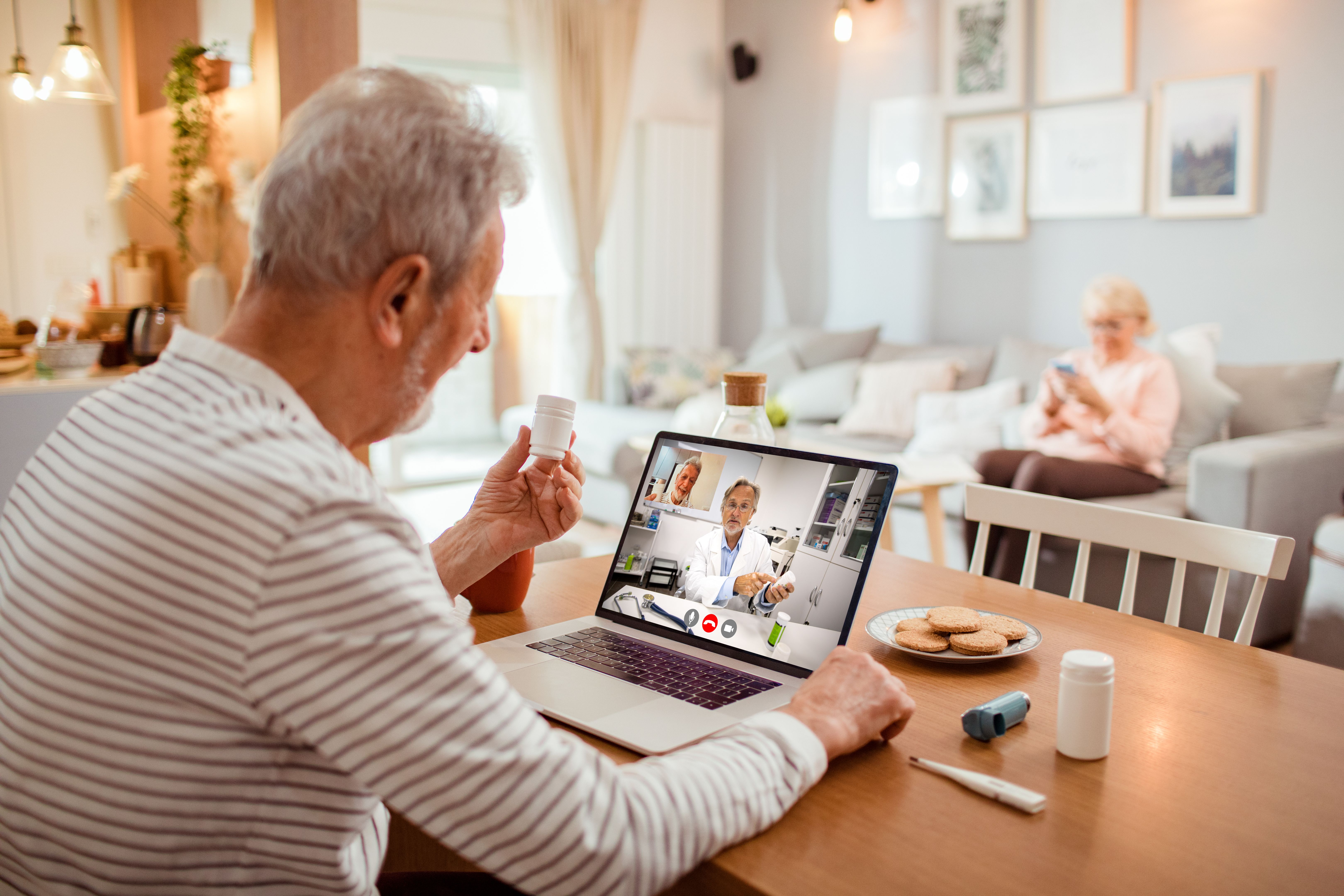
Telemedicine: The New Norm
Telemedicine has become a cornerstone of remote health coverage. With video calls and online chat options, patients can receive diagnoses, treatment plans, and even prescriptions without a physical visit to a healthcare facility. This is particularly beneficial during public health crises, such as the COVID-19 pandemic, where minimizing contact is crucial.
Moreover, telemedicine platforms are becoming more sophisticated, integrating with wearable technology and health apps. This integration allows for real-time monitoring of vital signs and health metrics, providing healthcare providers with comprehensive data to make informed decisions.
Benefits of Telemedicine
- Convenience: Access healthcare services from anywhere with an internet connection.
- Cost-Effective: Reduces travel expenses and time off work.
- Accessibility: Provides services to individuals in remote or underserved areas.
Digital Health Records
Another critical trend is the shift towards digital health records. Electronic Health Records (EHRs) allow patients and healthcare providers to access medical history, treatment plans, and test results seamlessly. This digital transformation ensures that vital health information is always at your fingertips, reducing errors and improving the quality of care.
These digital records are secured with advanced encryption technologies, ensuring patient confidentiality and compliance with regulations such as HIPAA. This security is crucial as the healthcare industry becomes more digitized.
Security and Privacy Concerns
While digital health records and telemedicine offer numerous benefits, they also raise concerns about data privacy and security. Healthcare providers must implement robust cybersecurity measures to protect sensitive patient information from potential breaches.

AI and Machine Learning in Healthcare
Artificial Intelligence (AI) and Machine Learning (ML) are playing transformative roles in remote health coverage. These technologies are used to predict patient outcomes, personalize treatment plans, and even automate administrative tasks, freeing up healthcare professionals to focus on patient care.
With AI, predictive analytics can identify potential health risks before they become severe, allowing for early intervention and better management of chronic conditions. These innovations are pushing the boundaries of what is possible in healthcare, making it more proactive and personalized.
The Future of Remote Health Access
As technology continues to evolve, so will the landscape of remote health access. The integration of AI, digital health records, and telemedicine will pave the way for a more connected and efficient healthcare system. Staying informed about these trends is essential for both healthcare providers and patients to fully leverage the benefits of remote health coverage.