
How to Access Health Coverage Remotely: Trends and Insights
Introduction to Remote Health Coverage
In recent years, accessing health coverage has become more convenient than ever, thanks to technological advancements. Remote health coverage allows individuals to manage their healthcare needs without the need to visit a physical location. This trend has been accelerated by the increasing adoption of digital tools and platforms.

Telehealth Services
Telehealth services have emerged as a crucial component of remote health coverage. These services enable patients to consult with healthcare professionals via video calls, phone calls, or even instant messaging. This approach not only saves time but also reduces the risk of exposure to illnesses.
Several telehealth platforms offer easy-to-use interfaces where patients can schedule appointments, receive prescriptions, and even access specialist care. These platforms are often integrated with insurance providers, ensuring that services are covered under existing health plans.
The Role of Mobile Apps
Mobile apps have revolutionized how people access health coverage. Many insurance companies now offer apps that allow users to track their coverage, submit claims, and communicate with customer service representatives. These apps provide a seamless experience, putting healthcare management at the fingertips of the user.

Trends in Digital Health Records
The trend toward digital health records is another significant development in remote health coverage. Electronic health records (EHRs) enable healthcare providers to access patient information quickly and efficiently. This ensures that patients receive accurate diagnoses and appropriate treatment plans.
Furthermore, patients can access their own health records online, empowering them to make informed decisions about their healthcare. This transparency fosters a collaborative relationship between patients and healthcare providers.
Security and Privacy Concerns
With the rise of digital health records, security and privacy concerns have become paramount. Healthcare providers and technology companies are investing in advanced encryption and security measures to protect sensitive patient information from cyber threats.
Insurance Portals and Online Tools
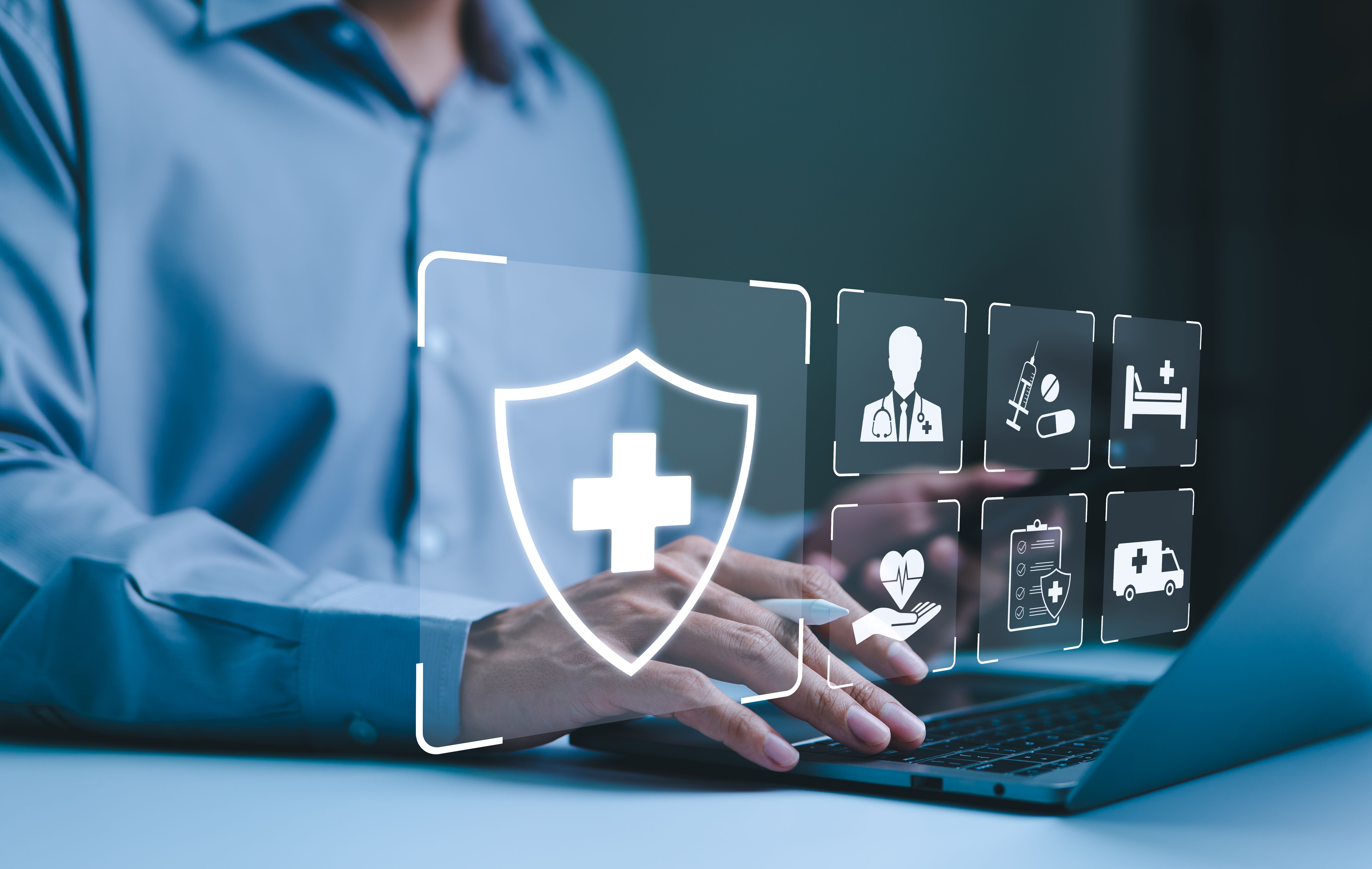
Insurance companies are increasingly providing online portals where policyholders can manage their health plans. These portals offer features such as premium payments, benefit information, and claim submissions. The convenience of accessing these services online has made it easier for individuals to understand and utilize their health coverage fully.
Future of Remote Health Coverage
The future of remote health coverage looks promising, with continuous innovations in technology. We can expect further integration of artificial intelligence and machine learning to enhance personalized healthcare experiences. These advancements will likely lead to more efficient healthcare systems and improved patient outcomes.
As the landscape of healthcare continues to evolve, staying informed about these trends will be crucial for individuals seeking to make the most of their health coverage options.